Unlocking the basics of gambling A beginner's guide to winning strategies
Understanding the Fundamentals of Gambling
Gambling has long been a popular pastime, blending entertainment with the thrill of risk and reward. At its core, gambling involves betting on an uncertain outcome, where the stakes can range from small bets to life-changing jackpots. Understanding the fundamental concepts of odds, house edge, and return-to-player (RTP) percentages is crucial for any beginner. These elements play a significant role in determining how likely you are to win and how much you might lose. For those interested in gaming, sites like skrill betting sites can offer valuable insights.

Odds are a way of expressing the likelihood of a specific outcome occurring. In gambling, they can be presented in several formats, including fractional, decimal, and moneyline. The house edge is the mathematical advantage that casinos have over players, which ensures they are profitable in the long run. Knowing these basics helps players make informed decisions and manage their expectations when participating in games.
Additionally, the RTP percentage indicates how much money a game is likely to return to players over time. For instance, a slot machine with a 95% RTP means that, theoretically, for every $100 wagered, $95 will be returned to players. However, this is calculated over a long period and does not guarantee individual results, emphasizing the unpredictable nature of gambling.
Popular Gambling Games and Their Strategies
There are numerous games available in the gambling world, each requiring different skills and strategies. Some of the most popular games include blackjack, poker, roulette, and slot machines. Understanding the nuances of each game is essential for developing effective strategies that can enhance your chances of winning. For example, in blackjack, basic strategy involves knowing when to hit, stand, or double down based on the dealer’s upcard.
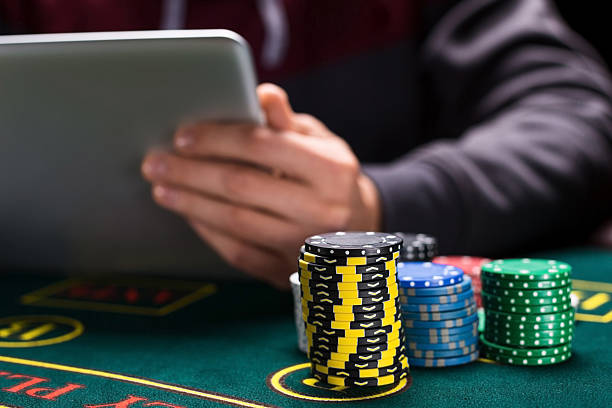
In poker, the skill of reading opponents and managing your chip stack can significantly influence the outcome. Players must decide when to bluff and when to fold, adding layers of strategy beyond mere luck. Meanwhile, roulette relies heavily on understanding the different types of bets—inside vs. outside—each offering varying payouts and odds. A well-informed player can maximize their chances by recognizing which bets have the best odds.
Slots, on the other hand, are primarily games of chance, yet players can still apply strategies by choosing machines with higher RTP percentages. Engaging in these various games can provide valuable experience, allowing players to develop a deeper understanding of gameplay dynamics and improve their overall gambling skills.
Bankroll Management for Success
One of the most critical aspects of successful gambling is effective bankroll management. This practice involves setting a budget for your gambling activities and sticking to it, regardless of wins or losses. By determining how much you are willing to spend, you can avoid falling into the trap of chasing losses, which often leads to larger financial setbacks. Creating a clear plan and adhering to it is essential for responsible gambling.
Moreover, players should allocate their bankroll wisely across different games or sessions. Instead of betting large amounts at once, consider spreading your bets to maximize your playing time and enjoyment. This approach allows for more opportunities to win without the risk of depleting your funds too quickly. Additionally, it’s advisable to have a specific win limit or loss limit, prompting you to walk away when either threshold is reached.
Effective bankroll management fosters a more enjoyable gambling experience. When players gamble within their means, they can focus on the entertainment aspect rather than the financial pressure, which is vital for sustaining long-term engagement in gambling activities.
The Psychological Aspects of Gambling
The psychological elements of gambling can significantly impact decision-making and behavior. Many players experience a rush of excitement when wagering, which can lead to impulsive actions. Understanding the mental triggers involved in gambling helps individuals maintain self-control and avoid common pitfalls, such as tilt—a state of emotional frustration that negatively affects decision-making. Recognizing the signs of tilt can empower players to take breaks and regain composure.
Another aspect to consider is the influence of cognitive biases on gambling behavior. For instance, the gambler’s fallacy is the belief that past outcomes influence future events. This can lead to misguided strategies, such as believing a losing streak must be followed by a win. Players need to acknowledge and combat these biases to develop a rational approach to gambling. Education and self-awareness are crucial in navigating these psychological challenges.
Furthermore, gambling should always be viewed as a form of entertainment rather than a source of income. This mindset shift can alleviate stress and pressure associated with betting. By enjoying the experience and embracing the ups and downs, players are more likely to engage in responsible gambling practices and sustain their interest over time.
Your Guide to Informed Betting Choices
As a beginner in the world of gambling, having a reliable source of information can make all the difference in your journey. Various platforms provide expert reviews and comparisons of different gambling sites, which can help you find a safe and user-friendly environment to place your bets. Look for websites that emphasize transparency, providing details about licensing, customer service, and available promotions.
In addition, being aware of the latest trends and strategies can enhance your overall gambling experience. Many reputable sites offer guides, tutorials, and insights into popular games, ensuring that you stay informed about the best practices and current gaming developments. Engaging with such resources can help you develop a more strategic approach to gambling.
Ultimately, becoming a skilled gambler involves a combination of knowledge, practice, and responsible gaming. By leveraging the insights from expert-curated platforms, you can make informed decisions that align with your gambling preferences while maximizing your chances of success. Embrace the learning process, and enjoy the journey as you explore the exciting world of gambling.
Leave a Reply